Home Blog Page 4

Oakland’s July dining wave brings Japanese grills, Yemeni coffee, and a fresh start for local favorites

0

Oakland’s restaurant scene added a lively mix of newcomers and returning favorites in July. Diners can now find Japanese bento and robata, Yemeni coffee, Jamaican comfort food, seafood-focused cocktails, African fusion, and more. The month also brought a major relocation for one of the city’s longtime Ethiopian restaurants, alongside several neighborhood cafes and casual spots.

Key takeaways

  • New Japanese options arrived in Laurel and the Piedmont Avenue area.
  • Yemeni coffee shops opened near Lake Merritt and in Fruitvale.
  • Enssaro Ethiopian Restaurant moved from Grand Avenue to Rockridge.
  • Bar Skula, Sweet Fingers, and other restaurants expanded Oakland’s neighborhood dining choices.
  • New openings across the wider East Bay added cafes, bakeries, desserts, and fast-casual meals.

Japanese concepts expand across Oakland

Oakland gained two distinct Japanese dining options in July. Itsumo opened in Laurel with bentos, sushi, rolls, and ramen, taking over what appears to be a former Japanese restaurant space on MacArthur Boulevard. In the One Piedmont apartments, Twin Flame began its soft opening with a charcoal robata grill centered on Japanese wagyu hamburg steak.

Together, the restaurants offer two approachable ways to enjoy Japanese food, from a quick bowl or roll to a more grill-focused meal. Their arrival adds variety to neighborhoods that continue to develop strong local dining identities.

Coffee newcomers bring global flavors

Coffee was another major theme. Mazar Cafe soft opened near Lake Merritt in the former Cafe Lakeview space, serving Yemeni coffee, handcrafted drinks, and pastries. In Fruitvale, Michigan-based Shibam Coffee moved into the former Red Bay Coffee flagship, adding a mezzanine level to the cafe space.

Sana’a Cafe also opened near UC Berkeley, offering Yemeni coffee, pastries, and food in a former Peet’s location. For Oakland and Berkeley residents, these cafes provide more opportunities to explore coffee traditions with deep cultural roots while spending time in familiar neighborhood gathering places.

Familiar restaurants find new homes

Enssaro Ethiopian Restaurant is relocating after roughly 20 years on Grand Avenue. Its new Rockridge location preserves the family-owned operation and brings the restaurant to College Avenue, with an interior designed by Liyu Designs. The move marks a significant transition for an Oakland institution while keeping its ownership and culinary continuity intact.

Sweet Fingers Jamaican Restaurant likewise began a new chapter in Uptown after closing its East Oakland location in April. Its soft-opening menu includes oxtail, curry goat, jerk chicken wings, plantains, and whole fish, with a grand opening planned for August.

Seafood, sandwiches, and comfort food round out the month

Bar Skula opened across from Lake Merritt from the owners of Luka’s Taproom and Lounge. The cevicheria and grill serves oysters, scallops, California seafood ceviches, trout, fried dishes, and selected Luka favorites, including its burger and fries. A sea-life-inspired interior gives the new bar a strong connection to its lakeside surroundings.

Other Oakland additions include Bolo’s Bites, a sandwich shop with classic subs and house-roasted turkey; Baan Thai on MacArthur Boulevard; Dimond Halal Eatery, focused on wings, burgers, and steak hoagies; and Taste of Safari Bistro and Grill, serving jollof, barbecue plates, seafood, wings, and sandwiches. Downtown also welcomed Bugzo’s Lounge and Chinatown’s Toisanese-focused King Kitchen.

More openings across the East Bay

The broader East Bay saw its own burst of activity. Alameda added Cafe Malaya, Ones Cafe & Bakery, a reopened Burger King, and a temporary burger residency at MIX Bar. Berkeley welcomed Milk Cloud Bakery, Palmetto Superfoods, Popbar, Gateway Cafe, and a reopened Qualcomm Cafe. New spots also arrived in Emeryville, Hayward, Lafayette, San Ramon, Union City, and Walnut Creek.

For diners, the takeaway is encouraging: July brought both ambitious new concepts and thoughtful reinventions of existing spaces, giving East Bay neighborhoods more ways to eat, gather, and discover something new.

Sources

Fairhope Hotel reopens with historic charm and a fresh welcome

A century-old Fairhope landmark is ready to welcome guests again. The Fairhope Hotel will celebrate its restored return with a Thursday ribbon-cutting and open house, giving residents and visitors a chance to explore its updated suites, shared spaces and wraparound porch while reconnecting with one of downtown’s most storied buildings.

Key takeaways

  • The Fairhope Hotel’s grand reopening is scheduled for 3 to 4 p.m. Thursday, July 30.
  • The celebration will include a ribbon-cutting, open house, tours and refreshments.
  • The hotel includes six guest suites and is located in Fairhope’s Bayfront Historic District.
  • Overnight rates begin at $179, with a first-stay discount available for eligible guests.

The reopening offers a cheerful new reason to spend time in downtown Fairhope, whether for an overnight getaway or a leisurely afternoon visit. The event is open to local visitors as well as prospective guests who want to see how the property’s historic character has been carried forward.

A landmark returns to its original name

Located at 131 Fairhope Ave., the building dates to 1925, when it was constructed by Marmaduke Dyson, a former president of the Fairhope Single Tax Colony. It operated as the Fairhope Hotel for decades before housing several other businesses.

The property is part of the Bayfront Historic District, which is listed on the National Register of Historic Places. Its location places guests within walking distance of the Eastern Shore Art Center, downtown shops, restaurants and other attractions that make Fairhope a relaxed destination for exploring on foot.

Restoration shaped around a personal vision

Owner Shelley Springer previously ran the property as the Summit Street Inn. After extensive renovations, she chose to bring back the Fairhope Hotel name as a way to recognize the building’s long history and the people connected to it.

That decision gives the reopening a sense of continuity. The six-suite boutique hotel pairs the appeal of a smaller, more personal stay with shared spaces and a wraparound porch designed for lingering, conversation and enjoying Fairhope’s coastal atmosphere.

What guests can expect

Weekday and weekend room rates start at $179 per night. First-time guests may receive 15% off by using the promotional code FOUNDER when booking, offering an inviting way to experience the restored property during its first chapter under its original name.

For Fairhope, the reopening adds another distinctive lodging option to the downtown landscape. For travelers, it creates a chance to stay inside a carefully renewed piece of local history while supporting the restaurants, galleries and small businesses just beyond the hotel’s porch.

Sources

Freddy’s Expansion Brings 10 New Steakburger Stops to Communities Nationwide

0

Freddy’s Frozen Custard & Steakburgers is preparing for another busy month of growth, with 10 restaurants scheduled to open across the country in August. The expansion reaches college campuses, suburban corridors and smaller communities, supporting the chain’s broader goal of adding 60 locations during 2026.

Key takeaways

Freddy’s August plans extend the brand’s reach across several regions while adding both traditional restaurants and campus-based locations.

  • Ten new restaurants are planned for August.
  • Openings are scheduled in nine states, from South Carolina to Utah.
  • The chain has more than 580 restaurants in the United States and Canada.
  • Grand-opening dates have not yet been announced.

Where Freddy’s is expanding

The upcoming restaurants will span a broad mix of markets. Planned locations include Little River and Winston-Salem, North Carolina, along with Philadelphia, Mississippi, and Greenville, Texas. The company also expects to open in Gilbert, Arizona; University City, Missouri; Clarksville, Indiana; and Elkhorn, Nebraska.

Two of the openings will bring Freddy’s to university settings. Restaurants are planned for the LaFortune Student Center at the University of Notre Dame in Indiana and the Gardner Student Center at Utah Tech University in St. George.

A wide-ranging growth strategy

The August additions reflect Freddy’s focus on reaching customers in a variety of regions, including the Northeast, Rust Belt, Midwest, Pacific Northwest, Northern California and Florida. Although the scheduled openings do not cover every one of those areas, they illustrate the company’s continuing effort to build a larger national footprint.

The chain recently opened restaurants in Kalamazoo, Michigan, and Broken Arrow, Oklahoma. Those launches helped set the pace for a year in which Freddy’s is targeting 60 new locations by December.

What guests can expect

Freddy’s has built its identity around steakburgers, shoestring fries and frozen custard. New restaurants give more communities a chance to experience the menu, whether customers are stopping in for a full meal, a quick side or a classic dessert treat.

The university locations may be especially convenient for students, faculty and visitors, while the new neighborhood restaurants could become casual gathering spots for families and local residents. The company has not released specific grand-opening dates for the August restaurants, so prospective guests will need to watch for updates.

From Wichita roots to national growth

Founded in Wichita, Kansas, in 2002 by brothers Bill and Randy Simon and their business partner Scott Redler, Freddy’s has grown from a regional concept into a chain with more than 580 locations across the U.S. and Canada.

Its August plans show how the brand continues to pair a familiar fast-casual menu with expansion into new communities. For diners who enjoy a steakburger and frozen custard, the next visit may be closer to home than it was before.

Sources

Atlantic City’s Monopoly-inspired Top Hat hotel plans October debut

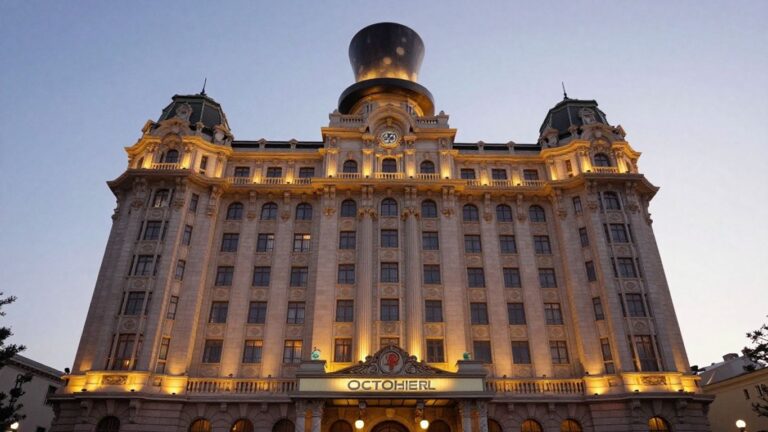
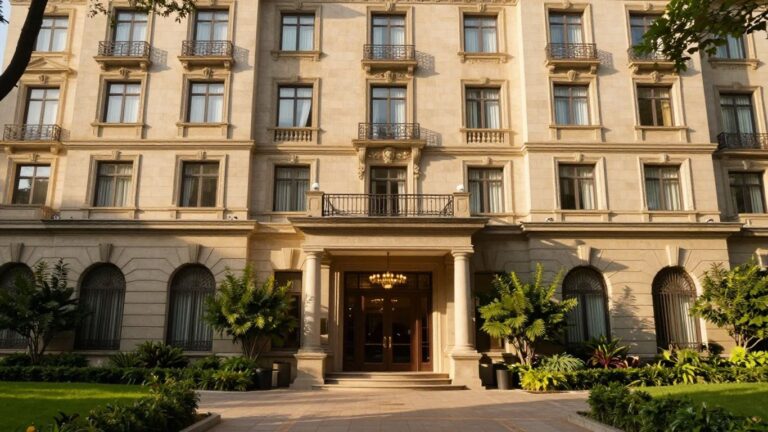
Atlantic City is preparing to welcome The Top Hat, a six-room boutique hotel inspired by the classic Monopoly board game. Rising in the Orange Loop district, the $2.5 million project will feature a rooftop deck, playful architectural details and space for private group stays when it is scheduled to open in October.

Key takeaways

  • The Top Hat is planned for completion in October.
  • The three-story hotel will have six rooms for up to 12 guests.
  • A rooftop deck will offer views of the ocean and Atlantic City skyline.
  • The ground floor will include about 1,400 square feet of retail and commercial space.
  • The project is designed as a non-gaming lodging option near the Boardwalk.

The project is being developed by RMS Capital at 215 S. Tennessee Ave., on a formerly vacant lot several blocks from the Atlantic City Boardwalk. Its location places guests within walking distance of the beach, the Orange Loop’s restaurants and entertainment venues, and the city’s central attractions.

A hotel designed to stand out

Parallel Architectural Group designed the building with visual cues that connect it to Monopoly. A large top hat will sit atop the structure, while a race car will appear to extend from the facade. The distinctive exterior could give the Tennessee Avenue corridor a memorable new landmark and a fun backdrop for visitors exploring the neighborhood.

The rooftop deck will add another draw, with views stretching toward the Atlantic Ocean and the Atlantic City skyline. For guests, it could become a natural gathering place before a night out or a relaxed spot to take in the city from above.

Small-scale lodging with a group option

The Top Hat will include six guest rooms, with a maximum capacity of 12 people. Developers also plan to offer the entire property for private group reservations, a format that could appeal to families, friends and visitors planning celebrations or weekend getaways.

Its small size gives the hotel a more intimate feel than a traditional resort property. That approach fits the Orange Loop, where independent businesses and walkable experiences have helped bring fresh energy to an area that continues to evolve.

Supporting the Orange Loop

The ground floor will feature approximately 1,400 square feet of retail and commercial space, adding activity at street level and creating room for another business to serve residents and visitors. The project’s developers describe the hotel as part of the district’s continued growth and a way to expand Atlantic City’s visitor experience beyond casino gaming.

The development carries an estimated cost of $2.5 million. Funding includes a $1 million grant from the New Jersey Economic Development Authority, $1 million in senior debt through Alpha Funding Capital and a $500,000 equity investment.

With its October target, The Top Hat is poised to bring a playful new lodging choice to Atlantic City just as travelers begin planning fall and holiday visits. Its Monopoly-inspired design, rooftop views and private-booking option could make it one of the Orange Loop’s most distinctive additions.

Raising Cane’s adds seven restaurants as its 30th anniversary expansion accelerates

0

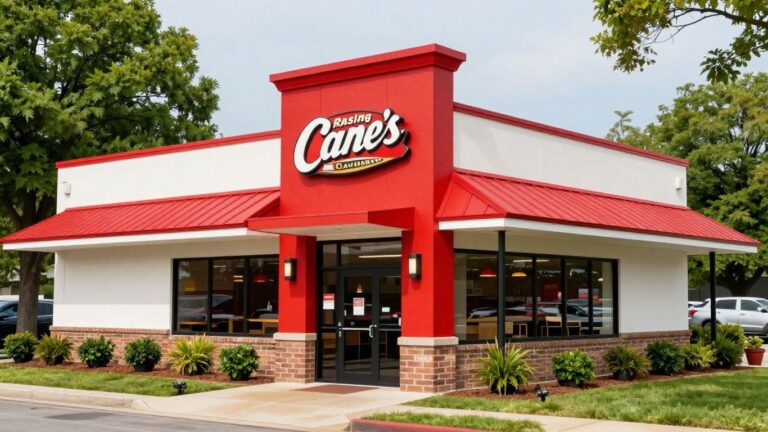
Raising Cane’s is celebrating 30 years of chicken fingers with seven new restaurant openings across the United States in August 2026. The expansion introduces the brand to Rocky Mount, North Carolina, and Statesboro, Georgia, while adding restaurants in five other states and reopening four remodeled locations.

Key takeaways

  • Seven new restaurants are scheduled to open during August.
  • Rocky Mount and Statesboro will become new Raising Cane’s markets.
  • Four remodeled restaurants will reopen in Texas, Kentucky, Nevada and Ohio.
  • The company is pursuing nearly 100 openings in 2026.

Where the new restaurants are opening

The August openings span the Midwest, South, Northeast and West Coast. The scheduled locations are:

Date Location
Aug. 3 Novi, Michigan; Rocky Mount, North Carolina
Aug. 10 Thousand Oaks, California
Aug. 17 Fontana, California; Linden, New Jersey
Aug. 24 Tuscaloosa, Alabama; Statesboro, Georgia

The Rocky Mount and Statesboro restaurants are especially significant because they establish Raising Cane’s presence in two new communities. Each opening gives local diners a chance to try the chain’s focused menu of chicken fingers, crinkle-cut fries, coleslaw, Texas toast and its signature Cane’s Sauce.

Four restaurants are set to reopen

Raising Cane’s also plans to welcome customers back to four remodeled restaurants. The locations are in College Station, Texas, on Aug. 12; Lexington, Kentucky, and Las Vegas, Nevada, on Aug. 17; and Gahanna, Ohio, on Aug. 24.

The reopenings add a community-focused element to the expansion. Alongside new construction, the refreshed restaurants are designed to give established customers an updated place to enjoy the familiar menu and dining experience.

A milestone year for the chicken-finger chain

Raising Cane’s opened its first restaurant on Aug. 28, 1996. The anniversary arrives during a particularly active period for the company, which opened restaurants in Pensacola, Florida, in June and Albany, Georgia, in July. At the Albany opening, 20 customers won free food for a year through a promotional drawing.

The chain also opened its 1,000th restaurant in March 2026 on Hollywood Boulevard in Los Angeles. That two-story flagship includes large LED screens and a seven-foot golden statue of Cane III, the dog that inspired the company’s name.

Expansion continues beyond August

Raising Cane’s is on track to open nearly 100 restaurants during 2026 as it moves toward a long-term goal of 1,600 domestic locations. The company is also preparing for international growth, with plans to enter Mexico in the second half of the year and open a restaurant in London.

For fans of the brand’s streamlined menu and recognizable Cane’s Sauce, the latest openings offer more opportunities to enjoy a familiar favorite. For the company, the anniversary is a chance to celebrate its roots while making the dining experience available in more neighborhoods.

Sources

Savannah Trolley Tour Delivers 75 Backpacks to Hospitality Families

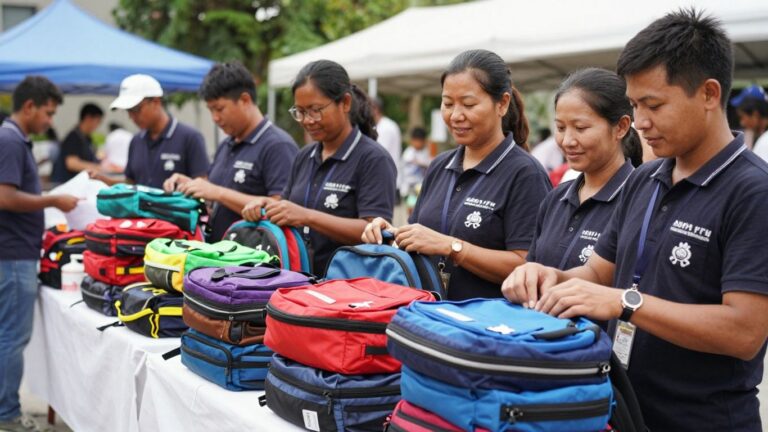
Savannah’s hospitality and tourism workers received a thoughtful back-to-school boost Friday as a local trolley carried free backpacks and school supplies directly to them downtown. The “Touring Toward Tomorrow” initiative, led by Chosen for the Arts, celebrated the families behind Savannah’s visitor economy while helping children prepare for the coming school year.

Key takeaways

The mobile effort combined practical support with appreciation for the workers who help make Savannah a welcoming destination.

  • Chosen for the Arts launched its “Touring Toward Tomorrow” back-to-school tour.
  • Organizers distributed more than 75 backpacks and school supplies.
  • The trolley made scheduled stops in Savannah’s historic downtown district.
  • Old Town Trolley Tours, North Point Hospitality and the Savannah Convention Center partnered on the effort.

A back-to-school drive on wheels

Rather than asking families to travel to a central distribution site, organizers brought the supplies to hospitality employees during their shifts. The trolley served as a moving school-supply station, making it easier for workers to receive support while continuing to serve visitors and residents.

The approach gave the giveaway a distinctly Savannah character. With a local trolley as its centerpiece, the initiative connected the city’s tourism identity with a meaningful community service project.

Supporting the people behind Savannah’s visitor economy

Hospitality and tourism employees play a central role in the city’s daily rhythm, from welcoming travelers to operating hotels, attractions, venues and restaurants. Organizers said the tour was designed to recognize that contribution and help families manage the costs associated with a new school year.

Hand-delivering supplies also made the gesture more personal. Each backpack represented practical help for a child and a direct thank-you to the adults who help welcome millions of visitors to the Hostess City each year.

Local partners make a difference

The program brought together Chosen for the Arts and several businesses with strong connections to Savannah’s tourism community. Old Town Trolley Tours provided the mobile platform, while North Point Hospitality and the Savannah Convention Center joined as partners.

That collaboration reflects the value of businesses working together on initiatives that strengthen the workforce and the wider community. By pooling resources, the participating organizations were able to turn a familiar sightseeing vehicle into a delivery route for school-year essentials.

A positive start to the school year

Organizers said the tour distributed more than 75 bookbags along with school supplies. The effort offered families timely assistance and created a warm reminder that the people serving Savannah’s visitors are also valued members of the community.

As the school year approaches, “Touring Toward Tomorrow” stands out as an encouraging example of local businesses and community organizations putting care into action. It is a small ride with a generous destination: helping Savannah’s hospitality families begin the year with greater confidence.

Sources

College of Charleston maps out new business and hospitality hubs for downtown campus

College of Charleston is preparing for a major expansion aimed at linking students more closely with Charleston’s thriving tourism and business communities. Plans call for a new hospitality and tourism center on Calhoun Street and a future business school at the former Carroll Building downtown, creating new academic and civic spaces across the city.

Key takeaways

  • The Michael and Amy Bennett School for Hospitality and Tourism Management is planned for the former College Lodge site at 159 Calhoun St.
  • The hospitality project could include an event center, alumni facilities, a welcome center and offices for Explore Charleston.
  • Ben Navarro plans to donate the former Carroll Building at Market and East Bay streets for a new business school.
  • Both projects remain in the planning phase and will require city approvals.

A hospitality hub designed for Charleston

The hospitality school is expected to become the centerpiece of a multipurpose academic building serving students, faculty, tourism professionals and the broader community. The location reflects Charleston’s role as a major visitor destination, with roughly eight million tourists contributing to a regional tourism economy valued at about $14 billion.

College President Andrew T. Hsu said applications to the hospitality program have more than tripled over the past seven years. That growth is prompting the college to think beyond traditional classrooms and create a setting where students can learn alongside industry practitioners.

Early concepts include an event and conference center, a 2,500-square-foot multipurpose room, an alumni center, a welcome center and access to a rooftop amenity. Explore Charleston could also share the facility, giving students a closer view of how the region’s visitor economy operates.

A major gift reshapes the business school’s future

The college’s second major project centers on the long-vacant Carroll Building at the northeast corner of Market and East Bay streets. Ben Navarro, founder of Beemok, purchased the property for $11.5 million and has announced plans to donate it to the college for a new School of Business.

The site is less than a 10-minute walk from the Beatty Center. Its location would extend the campus into Charleston’s historic commercial district and place business students near employers, retailers and other organizations that can support internships and partnerships.

College leaders view the property as a rare chance to give the business school a more visible role in the city’s economic and civic life. The location could also raise the college’s profile along the Market Street corridor as downtown development continues, including plans for the nearby Union Pier area.

Projects still face planning milestones

Demolition has begun at the former College Lodge site, although the timing of the next construction steps will depend on contractors and coordination with local and state partners. Hsu expects demolition to take several months and said the college is exploring a public-private partnership for the hospitality center, which could take two to three years to complete.

The business school has no announced construction schedule. Both developments must move through required city boards and additional planning stages before work can begin.

Taken together, the projects offer an upbeat vision for Charleston’s next generation of students. They would give the College of Charleston more room to educate future business and hospitality leaders while opening new opportunities for the city’s employers, visitors and residents.

Sources

Panda Express keeps growing in Columbus with another restaurant opening

Panda Express is continuing its Columbus-area expansion with another restaurant opening, giving local diners one more place to enjoy the fast-casual chain’s Chinese American menu. The latest addition underscores the company’s ongoing investment in the market and adds fresh momentum to Columbus’ already active restaurant scene.

Key takeaways

  • Panda Express is opening another restaurant in the Columbus market.
  • The opening extends the chain’s continued local growth.
  • The announcement reflects ongoing demand for convenient fast-casual dining.

The new restaurant adds to Panda Express’ Columbus presence as the company continues building its footprint in the region. While the announcement signals another location is coming, details such as the address, opening date and operating hours were not included in the available information.

What the expansion means for Columbus diners

For customers, another Panda Express location could make the brand’s familiar menu more accessible across the Columbus area. The chain is known for convenient counter-service meals and popular entrees such as Orange Chicken, giving residents and visitors another option for a quick lunch, dinner or takeout order.

The opening also contributes to the variety of national and local concepts competing for attention in Columbus. Restaurant growth can bring more choice to diners while helping busy neighborhoods support additional everyday gathering spots.

A continuing local growth story

Panda Express’ latest opening is part of a broader effort to expand its presence rather than a one-off addition. That continued investment suggests the company sees room for further growth in Columbus and believes the market can support another restaurant.

The company has not publicly detailed the full scope of its local plans in the available announcement. Even so, the new location offers an upbeat development for Columbus diners who value familiar food, quick service and added convenience close to home.

What to watch next

The most important updates will be the restaurant’s exact location, opening date and hours. Those details will help customers understand when and where they can visit the new Panda Express and whether the location will offer dine-in, takeout, delivery or drive-thru service.

Until then, the announcement provides a clear takeaway: Panda Express is still growing in Columbus, and local residents can look forward to another opportunity to enjoy the chain’s menu.

Sources

Cascada brings a new thermal springs resort to Bend, targeting 2028 opening

Cascada has announced plans for a thermal springs resort and hotel in Bend, Oregon, with an opening targeted for 2028. The project would add a dedicated wellness destination to one of Central Oregon’s most popular outdoor hubs, pairing restorative hot-springs experiences with overnight accommodations and a hospitality-focused retreat.

Key takeaways

  • Cascada is planning a thermal springs resort and hotel in Bend, Oregon.
  • The project is targeting an opening in 2028.
  • The resort is expected to broaden Bend’s appeal beyond outdoor recreation, with wellness at its center.
  • The announcement points to a long-term investment in destination hospitality for Central Oregon.

The project gives travelers another reason to view Bend as a year-round destination. Its established appeal comes from hiking, cycling, skiing and dramatic high-desert scenery, while a thermal resort could offer a slower, more restorative complement to those activities.

A wellness-focused addition to Bend

Cascada’s concept arrives as travelers continue to seek experiences that combine relaxation, nature and health-conscious hospitality. Thermal springs can provide a strong foundation for that model, creating a place where guests can unwind after exploring the region or plan an entire stay around rest and rejuvenation.

For Bend, the resort could help diversify the visitor experience. A purpose-built thermal destination has the potential to attract wellness travelers, couples, families and guests looking for an alternative to a conventional hotel stay, while strengthening the city’s profile during seasons when outdoor conditions are less predictable.

What the 2028 target means

A 2028 opening target places the project several years away, leaving time for design, permitting, construction and operational planning. As with any resort announcement, the timeline may change as those stages progress, so the date should be viewed as a goal rather than a guaranteed completion point.

That extended runway may also allow Cascada to develop a thoughtful guest experience, from the relationship between hotel spaces and thermal pools to the way the property fits into Bend’s landscape and community. The strongest version of the project will feel connected to Central Oregon rather than interchangeable with a resort in another market.

Why the project matters for visitors

The planned resort could add welcome variety to Bend’s lodging mix and encourage longer stays. Guests might use it as a base for outdoor adventures, a destination for restorative weekends or a comfortable place to recover between activities.

Its arrival would also reflect a broader shift in travel toward experiential lodging. Visitors increasingly want accommodations that offer a defining experience on-site, and Cascada’s thermal springs concept gives the property a clear identity from the outset. If delivered with a strong sense of place, the resort could become a bright new chapter in Bend’s evolving hospitality story.

Oakland’s Rockridge gets a fresh coffee-and-fusion lineup with Enssaro on the way

Enssaro is preparing to open in Oakland’s Rockridge neighborhood as the city’s dining scene continues to broaden its coffee and culinary horizons. The upcoming arrival is part of a wave bringing Japanese and Yemeni coffee traditions together with African fusion concepts, giving local diners more reasons to explore the neighborhood.

Key takeaways

  • Enssaro is preparing for an opening in Rockridge.
  • Oakland’s latest dining activity highlights Japanese and Yemeni coffee influences.
  • African fusion is also joining the neighborhood’s evolving restaurant mix.
  • The concepts point to a more globally minded future for local food culture.

Enssaro adds momentum to Rockridge

Enssaro’s planned Rockridge opening arrives at an encouraging moment for Oakland dining. The neighborhood is already known as a walkable destination for food, drinks, and retail, and a new concept can add another layer to that experience without asking residents to leave their own community.

While details about Enssaro’s menu and launch schedule have yet to be announced, its arrival is a promising sign for diners who value originality and a strong sense of place. Opening a hospitality business takes careful preparation, and the anticipation itself can help build energy around a neighborhood.

Coffee culture becomes more global

Japanese and Yemeni coffee concepts are also part of the wider story surrounding Oakland’s newest food and beverage activity. Both traditions offer an opportunity to look beyond familiar café formulas and introduce customers to different approaches to flavor, hospitality, and ritual.

That variety should appeal to Oakland’s curious coffee audience. A morning stop can become more meaningful when the menu reflects distinct cultural histories, while thoughtful presentation and preparation give everyday routines a little more character.

African fusion brings another point of view

African fusion concepts add a similarly welcome dimension to the city’s dining landscape. Fusion works best when it is grounded in recognizable ingredients, techniques, and traditions, allowing chefs to create something contemporary while keeping the food connected to its roots.

For Rockridge and Oakland more broadly, this kind of offering can expand the definition of a neighborhood meal. It gives residents new places to gather and gives visitors another reason to see the city as a destination for inventive, culturally rich food.

A positive outlook for Oakland dining

Taken together, Enssaro, the Japanese and Yemeni coffee concepts, and African fusion offerings suggest a dining scene that is willing to make room for fresh ideas. That is good news for independent hospitality and for customers seeking experiences that feel personal rather than interchangeable.

As Enssaro moves toward opening, Rockridge appears ready to welcome a new chapter in Oakland’s food story. The strongest neighborhood additions do more than fill a storefront: they create conversation, invite repeat visits, and make local life feel a little more flavorful.