
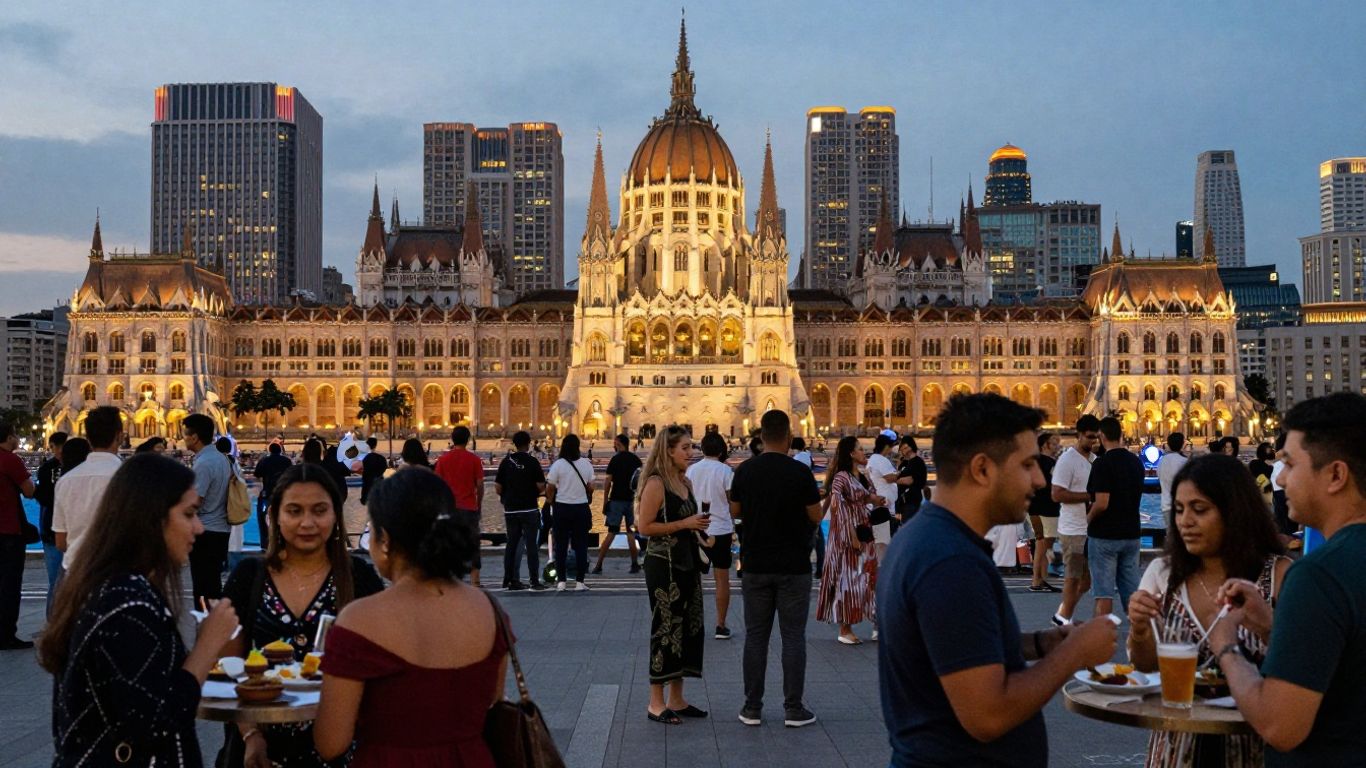
The 2026 FIFA World Cup brought a vibrant wave of energy across host cities, creating a fascinating spectrum of hospitality experiences. From ultra-exclusive, million-dollar packages to the bustling local bars of Philadelphia, the tournament demonstrated how global events can reshape our expectations for travel, luxury, and community celebration in meaningful ways.
Key takeaways
- Ultra-luxury hospitality reached new heights with bespoke packages ranging from $1 million to $4 million.
- Philadelphia experienced a massive surge in hospitality revenue, particularly during the Fourth of July holiday.
- Local business impacts were mixed, highlighting the complex relationship between major events and neighborhood commerce.
The rise of the million-dollar fan experience
For a select group of fans, the 2026 World Cup offered an unparalleled level of access that redefined the meaning of premium sports travel. Providers like On Location and luxury concierge services curated extraordinary experiences, with some packages reaching as high as $4 million. These offerings often included private helicopter transfers, penthouse stays, and exclusive access to high-profile gala events. While these packages provided proximity that most fans could only dream of, they also highlighted the unique challenges of field-level viewing. Guests often found themselves navigating the realities of direct sun exposure and obstructed sightlines, reminding us that even in the world of luxury, the best seat in the house is a matter of personal perspective.
Local wins and neighborhood dynamics
Beyond the glitz of the stadium, the tournament served as a powerful economic catalyst for local businesses. Philadelphia serves as a perfect example of this success, where a rare convergence of the World Cup and the Fourth of July holiday drove remarkable growth. Revenue per available hotel room across the city surged by 112 percent, while some local breweries reported sales increases of over 300 percent compared to the previous year. It is heartening to see how these global moments can provide such a significant boost to the local entrepreneurs who form the backbone of our communities.
Lessons for future event planning
While the financial rewards were significant, the tournament also provided valuable insights into the logistics of hosting global crowds. Not every business experienced the same level of success, as some local shops faced challenges with traffic and parking restrictions that impacted their regular customer base. As we look toward future mega-events, there is a wonderful opportunity for organizers to focus on better integration with neighborhood businesses. By fostering stronger partnerships, we can ensure that the excitement of international sports continues to uplift every corner of our host cities, creating a positive legacy for residents and visitors alike.
Leave a Reply